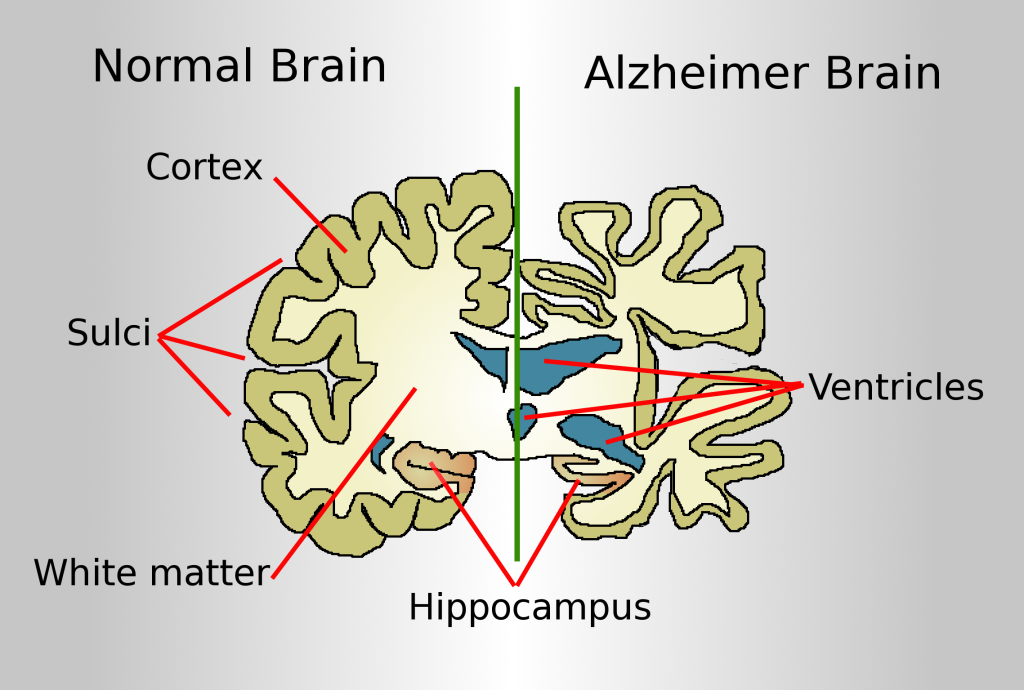
Alzheimer’s disease (AD) is a progressive neurodegenerative disorder that affects memory, thinking, and behavior. While age and genetics play a role, growing research suggests that lifestyle changes can significantly reduce the risk or delay the onset of Alzheimer’s. This article explores evidence-based strategies for prevention.
Understanding Alzheimer’s Risk Factors
Some risk factors, such as age, family history, and genetics (e.g., APOE-e4 gene), cannot be changed. However, many modifiable risk factors—including heart health, diet, and mental activity—can influence brain health.
Key Strategies for Alzheimer’s Prevention
1. Maintain a Brain-Healthy Diet
A nutritious diet supports cognitive function and reduces inflammation. Recommended eating patterns include:
- Mediterranean Diet: Rich in fruits, vegetables, whole grains, olive oil, fish, and nuts.
- MIND Diet (Mediterranean-DASH Intervention for Neurodegenerative Delay): Combines Mediterranean and DASH diets, emphasizing leafy greens, berries, and omega-3 fatty acids.
- Limit processed foods, sugar, and saturated fats, which may contribute to cognitive decline.
2. Stay Physically Active
Regular exercise improves blood flow to the brain and may slow neurodegeneration. Aim for:
- 150 minutes of moderate aerobic activity per week (e.g., walking, swimming).
- Strength training (2x/week) to maintain muscle and brain health.
- Balance and coordination exercises (e.g., yoga, tai chi) to prevent falls, which can impact brain function.
3. Keep Your Mind Engaged
Cognitive stimulation strengthens neural connections. Try:
- Learning new skills (language, music, or crafts).
- Puzzles, reading, and strategy games (chess, Sudoku).
- Social engagement—interacting with others reduces dementia risk.
4. Prioritize Heart Health
Cardiovascular health is closely linked to brain health. Manage:
- Blood pressure (Hypertension increases dementia risk).
- Cholesterol and blood sugar (Diabetes and high LDL cholesterol may contribute to AD).
- Avoid smoking and excessive alcohol, which damage blood vessels and brain cells.
5. Get Quality Sleep
Poor sleep is linked to beta-amyloid plaque buildup, a hallmark of Alzheimer’s. Improve sleep by:
- Keeping a consistent sleep schedule.
- Treating sleep apnea if present.
- Avoiding screens before bedtime.
6. Manage Stress and Mental Health
Chronic stress increases cortisol, which may harm memory. Strategies include:
- Mindfulness meditation and deep breathing exercises.
- Therapy or counseling for depression/anxiety, which are linked to higher dementia risk.
7. Protect Against Head Injuries
Traumatic brain injuries (TBIs) increase Alzheimer’s risk. Prevent injuries by:
- Wearing helmets during sports or biking.
- Fall-proofing your home (e.g., removing tripping hazards).
8. Consider Supplements (With Caution)
Some supplements may support brain health, but always consult a doctor first:
- Omega-3 fatty acids (from fish oil) may reduce inflammation.
- Vitamin D deficiency is linked to cognitive decline.
- Curcumin (turmeric) shows potential in reducing amyloid plaques (research ongoing).
When to Seek Medical Advice
If you or a loved one experiences:
- Memory loss affecting daily life
- Confusion with time/place
- Difficulty completing familiar tasks
Consult a neurologist for early evaluation.
Conclusion: Prevention is Possible
While no guaranteed method prevents Alzheimer’s, a combination of healthy diet, exercise, mental stimulation, and heart health can significantly lower risk. Start these habits early—brain protection is a lifelong commitment.