Replacing old or damaged windows can improve your home’s energy efficiency, curb appeal, and comfort. Whether you’re upgrading for better insulation, noise reduction, or modern aesthetics, this guide covers everything you need to know about window replacement.
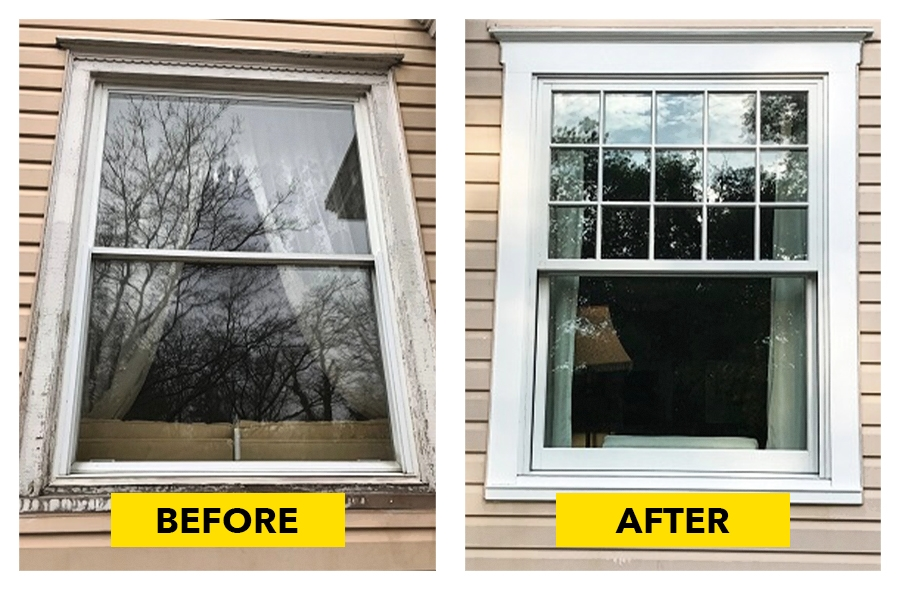
Why Replace Your Windows?
1. Energy Efficiency
Old, drafty windows can lead to:
- Higher heating/cooling bills (up to 25% of energy loss occurs through windows).
- Uneven indoor temperatures due to poor insulation.
New Energy Star®-rated windows can significantly reduce energy costs.
2. Improved Comfort
- Reduced drafts and cold spots.
- Better noise insulation (important for homes near busy streets).
3. Enhanced Home Value & Aesthetics
- Modern styles (e.g., casement, double-hung, bay windows).
- Increased natural light with larger or strategically placed windows.
4. Reduced Maintenance
- Vinyl or fiberglass windows resist rot and require less upkeep than wood.
- Easy-to-clean features (tilt-in sashes, low-maintenance frames).
5. Safety & Security
- Newer windows have stronger locks and tempered glass options.
- Easier emergency exits (e.g., egress windows for basements).
Types of Replacement Windows
| Window Type | Best For | Pros | Cons |
|---|---|---|---|
| Double-Hung | Traditional homes, easy cleaning | Ventilation control, tilt-in cleaning | Slightly less energy-efficient than casement |
| Casement | Modern homes, maximum airflow | Excellent seal when closed, energy-efficient | Hinges may wear over time |
| Sliding | Contemporary spaces, wide openings | Simple operation, affordable | Less airtight than other styles |
| Bay/Bow | Adding space & light | Expansive views, architectural appeal | Higher cost, complex installation |
| Picture | Unobstructed views | Great for natural light | Doesn’t open (no ventilation) |
Frame Materials:
- Vinyl – Affordable, low maintenance, good insulation.
- Wood – Classic look, but requires upkeep.
- Fiberglass – Durable, energy-efficient, pricier than vinyl.
- Aluminum – Strong, slim frames, but conducts heat/cold.
Window Replacement Process
1. Assessing Your Needs
- Full-frame replacement (for rotting frames or major upgrades).
- Insert (pocket) replacement (faster, cheaper, keeps existing frame).
2. Choosing the Right Glass
- Double or triple-pane glass for better insulation.
- Low-E coatings to block UV rays.
- Gas fills (argon/krypton) for improved thermal performance.
3. Hiring a Contractor vs. DIY
- Professional installation ensures proper sealing and warranty coverage.
- DIY possible for pre-built inserts, but mistakes can lead to leaks.
4. Installation Steps
- Remove old window (carefully to avoid wall damage).
- Check and repair framing if needed.
- Install new window with proper insulation and flashing.
- Test for smooth operation and airtight seal.
Cost of Window Replacement
Prices vary based on size, material, and labor:
| Window Type | Average Cost per Window (Installed) |
|---|---|
| Vinyl Double-Hung | $300 – $800 |
| Wood Casement | $600 – $1,200 |
| Fiberglass Sliding | $500 – $1,500 |
| Bay Window | $1,500 – $4,000+ |
Additional factors:
- Energy-efficient upgrades (Low-E, gas fills) add 10–15% to cost.
- Custom sizes/shapes increase price.
- Labor costs (~$100–$300 per window).
Signs You Need New Windows
✔ Drafts or condensation between panes (failed seals).
✔ Difficulty opening/closing (warped frames).
✔ High energy bills (poor insulation).
✔ Visible rot or water damage.
✔ Excessive outside noise.
Conclusion: Is Window Replacement Worth It?
New windows enhance comfort, efficiency, and home value, with a typical 70–80% return on investment (ROI) at resale. For the best results:
- Choose Energy Star-certified windows.
- Hire a reputable installer.
- Consider long-term savings over upfront cost.
Need help selecting the right windows for your home? Consult a local window specialist for a free estimate!