Introduction
The demand for skilled electricians continues to grow as technology advances and infrastructure expands. For those interested in a hands-on, well-paying career with long-term job security, becoming an electrician apprentice is an excellent starting point. This article explores the role of an apprentice, required skills, training programs, career prospects, and how to get started in this dynamic field.
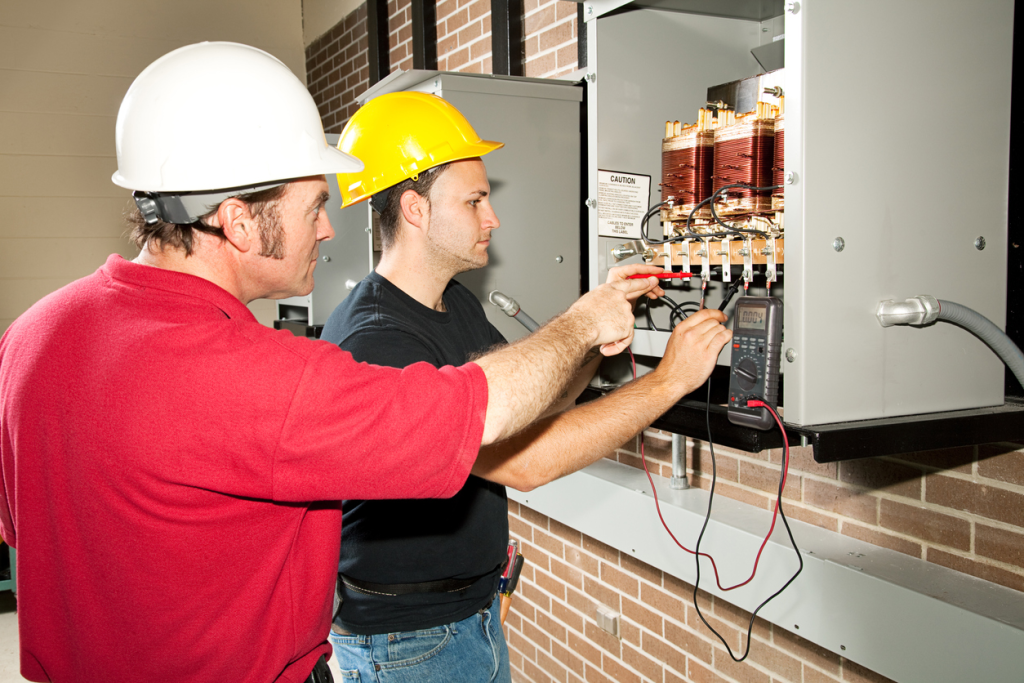
What Does an Electrician Apprentice Do?
An electrician apprentice works under the supervision of a licensed electrician, gaining practical experience while learning the trade. Key responsibilities include:
- Assisting with installing, maintaining, and repairing electrical systems.
- Reading blueprints and technical diagrams.
- Learning safety protocols (e.g., OSHA standards, electrical codes).
- Using tools like multimeters, wire strippers, and conduit benders.
- Troubleshooting electrical issues in residential, commercial, or industrial settings.
Requirements to Become an Electrician Apprentice
While requirements vary by region, most programs expect candidates to:
✔ Be at least 18 years old (some programs accept 16+ with a high school diploma).
✔ Have a high school diploma or GED (math and physics knowledge is helpful).
✔ Pass a basic aptitude test (assessing math, reading, and problem-solving skills).
✔ Hold a valid driver’s license (apprentices often travel to job sites).
✔ Be physically fit (the job involves lifting, climbing, and working in tight spaces).
Types of Apprenticeship Programs
- Union-Sponsored Programs (e.g., IBEW – International Brotherhood of Electrical Workers)
- Combines paid on-the-job training with classroom instruction.
- Typically lasts 4-5 years with wage increases as skills progress.
- Non-Union (Trade School or Contractor-Sponsored Programs)
- Offered through vocational schools or electrical companies.
- May include accelerated programs (2-3 years) with certifications.
- Military Training
- Veterans can transition into civilian electrical careers with prior experience.
Skills Needed for Success
- Technical aptitude – Understanding circuits, wiring, and electrical theory.
- Problem-solving – Diagnosing and fixing electrical faults.
- Attention to detail – Mistakes can be dangerous in this field.
- Physical stamina – Standing, bending, and working in various conditions.
- Communication – Following instructions and collaborating with teams.
Career Outlook and Salary Potential
- Job Growth: The U.S. Bureau of Labor Statistics (BLS) projects a 6% growth (2022–2032), faster than average.
- Earnings:
- Apprentices start at $15–$20/hour, increasing with experience.
- Licensed electricians earn $50,000–$90,000+ annually, depending on specialization.
- Specializations:
- Residential, commercial, industrial, or renewable energy (solar/wind).
- Master electricians can become contractors, inspectors, or trainers.
How to Apply for an Apprenticeship
- Research local programs (IBEW, ABC, trade schools).
- Prepare your resume (highlight hands-on skills, even if unrelated).
- Apply and interview (some programs have waiting lists).
- Begin training (earn while you learn!).
Conclusion
An electrician apprenticeship is a smart investment for those who enjoy hands-on work, problem-solving, and job stability. With competitive wages, high demand, and opportunities for advancement, this career path offers long-term financial security without requiring a college degree. If you’re ready to start, research apprenticeship programs in your area and take the first step toward a bright future in the electrical trade!