Introduction
Poor posture is a significant, yet often modifiable, contributor to the development and exacerbation of sciatica. Understanding this link provides a powerful tool for both prevention and daily management of symptoms.
The Mechanics of Poor Posture
Prolonged slouching or sitting with a rounded lower back increases the pressure on the lumbar discs. Over time, this can contribute to disc bulging or herniation, which is the primary cause of sciatica. A forward-head posture can also disrupt the entire spinal alignment.
The Impact of Prolonged Sitting
Sitting, especially in a slouched position, places up to 40% more pressure on the spinal discs than standing. This pressure can directly aggravate a compromised disc and irritate the sciatic nerve roots. Desk jobs and long commutes are common culprits.
Standing Posture: Lordosis and Swayback
Excessive inward curvature of the lower back (hyperlordosis) or a “swayback” posture (where the pelvis pushes forward) can narrow the spaces through which the nerve roots exit the spine, potentially leading to compression and sciatic pain.
Sleeping Positions
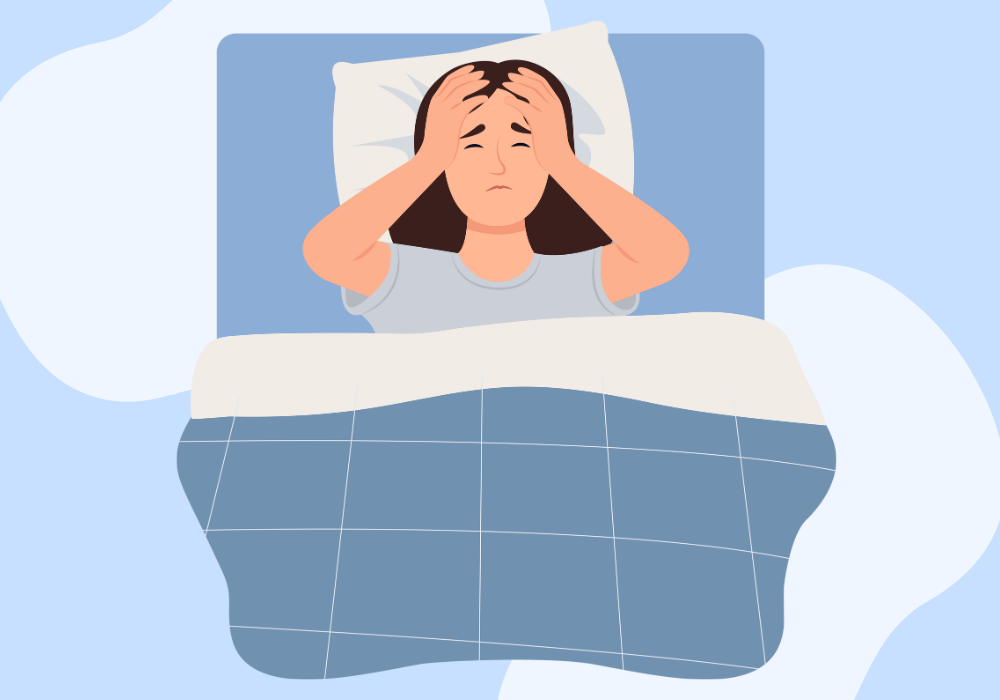
Sleeping in a position that twists the spine or doesn’t support its natural curvature can aggravate sciatica overnight. For example, sleeping on your stomach is generally the worst position as it flattens the spine’s natural curve and can strain the neck and lower back.
Correcting Sitting Posture
- Support: Use a chair with good lumbar support or place a small rolled towel behind your lower back.
- Feet: Keep feet flat on the floor with knees at or slightly below hip level.
- Breaks: Avoid sitting for longer than 30 minutes at a time. Set a timer to stand up, walk, and stretch.
Improving Standing and Walking Posture
- Alignment: Stand with your ears, shoulders, hips, knees, and ankles aligned vertically.
- Core Engagement: Gently engage your abdominal muscles to prevent your pelvis from tilting forward.
- Footwear: Avoid high heels and wear supportive shoes that provide a stable base.
Optimal Sleeping Postures for Sciatica
- Side-Lying: Sleep on your side with a pillow between your knees to keep your hips, pelvis, and spine aligned.
- Back-Lying: Sleep on your back with a pillow under your knees to reduce pressure on the lower back.
Conclusion
Mindful posture is a form of ongoing therapy for sciatica. By integrating these simple corrections into daily life—while sitting, standing, and sleeping—individuals can actively reduce stress on the spine and create an environment conducive to healing.