The Spinal Support System
Lumbar disc herniation occurs when the soft inner material of a spinal disc pushes through its tougher outer casing in the lower back. This condition can potentially affect nearby nerves, leading to various symptoms. Understanding spinal health helps individuals make informed decisions about prevention and management.
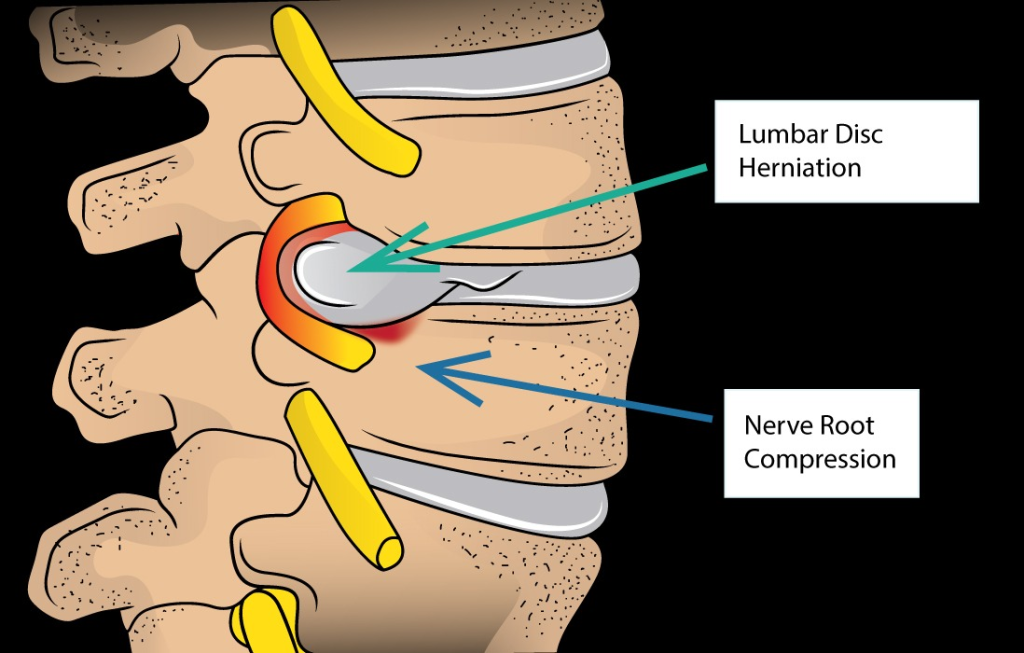
Recognizing the Signals
Common indications may include:
- Localized lower back pain that may radiate to legs
- Numbness or tingling sensations in lower extremities
- Muscle weakness in legs or feet
- Changes in reflex responses
- Symptoms that vary with movement and position
Contributing Factors
Multiple elements can influence disc health:
- Natural aging processes affecting disc hydration
- Occupational activities involving heavy lifting
- Prolonged sitting positions with poor posture
- Genetic predisposition to disc degeneration
- Weight management factors
- Smoking affecting disc nutrition
How to prevent and relieve Lumbar Disc Herniation?
Practical approaches for spinal health include:
Movement and Posture Strategies
- Maintain proper posture during sitting and standing activities
- Practice safe lifting techniques using leg strength rather than back
- Incorporate regular movement breaks during prolonged sitting
- Use supportive seating with adequate lumbar support
Physical Conditioning
- Develop core strength through appropriate exercises
- Maintain flexibility through regular stretching
- Practice low-impact aerobic activities
- Use proper form during exercise routines
Daily Living Adjustments
- Maintain healthy body weight to reduce spinal load
- Use ergonomic principles in workspace setup
- Choose supportive sleep surfaces and positions
- Stay hydrated to support disc health
Symptom Management Approaches
- Apply ice packs for acute inflammation
- Use heat therapy for muscle relaxation
- Practice prescribed therapeutic exercises
- Consider over-the-counter anti-inflammatory medications after medical consultation
Professional Guidance
- Consult healthcare providers for persistent symptoms
- Seek physical therapy for personalized exercise programs
- Consider professional pain management strategies
- Explore surgical options only after thorough evaluation and conservative treatment
When to Seek Medical Attention
Consult healthcare professionals for:
- Severe or worsening pain despite self-care
- Bladder or bowel function changes
- Progressive leg weakness or numbness
- Symptoms affecting daily functioning
- Trauma preceding symptom onset
Recovery Expectations
Healing timelines vary among individuals. Most people experience improvement through conservative management over several weeks to months. Patience and consistency with recommended approaches typically yield the best outcomes.
Lumbar disc health requires ongoing attention and appropriate care. While various prevention and management strategies exist, individual responses may vary. Professional medical guidance ensures proper diagnosis and tailored treatment plans. Remember that maintaining spinal health involves consistent attention to movement patterns, posture, and overall physical conditioning throughout daily activities.