Becoming an electrician in 2025 continues to be a practical and rewarding career choice in the United States. With demand for skilled workers in construction, renewable energy, and maintenance, more adults are exploring different Electrician Course options. Training pathways vary, and four common types of electrician programs include certificate programs, apprenticeships, community colleges, and vocational trade schools. Each option has its own structure, duration, and career outcomes.
1. Certificate Programs
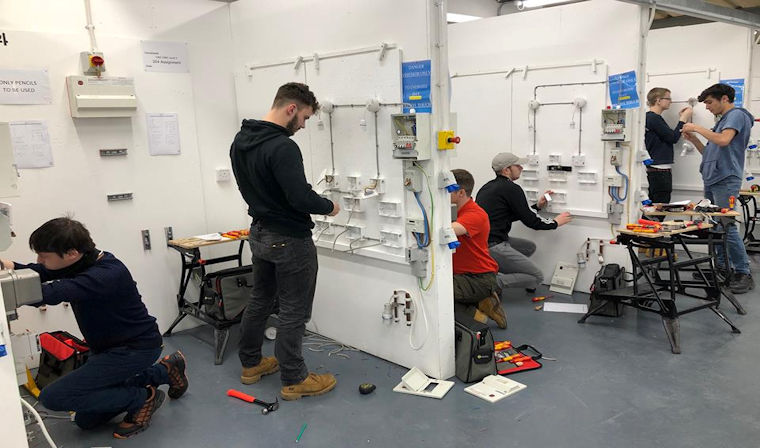
Certificate programs provide one of the quicker ways to enter the electrical field. These Electrician Courses usually last between 6 to 12 months and cover fundamental skills such as electrical safety, wiring, circuits, and the National Electrical Code.
Best for:
- Career changers who want a shorter training period.
- Students aiming for entry-level helper or technician roles.
Pros:
- Shorter duration.
- Lower tuition costs.
- Can serve as a starting point for further training.
Cons:
- Limited hands-on experience compared to longer programs.
- Additional training required before full licensure.
2. Apprenticeships
Apprenticeships are a widely recognized route for becoming a licensed electrician. These programs usually last 3 to 5 years and combine paid on-the-job training with classroom instruction. Apprentices learn residential, commercial, and industrial electrical systems.
Best for:
- Learners who prefer practical, hands-on training.
- Adults who want to earn while they study.
Pros:
- Paid training.
- Mentorship from licensed electricians.
- Training hours that count toward state licensing requirements.
Cons:
- Longer time commitment.
- Entry can be competitive in some areas.
3. Community Colleges
Many community colleges offer an Associate Degree in Electrical Technology or similar Electrician Courses. These programs usually take 2 years and include both general education and technical coursework.
Best for:
- Students interested in combining academic and technical studies.
- Those considering supervisory or technical specialist roles in the future.
Pros:
- Provides a degree alongside technical skills.
- Transfer options for continued education.
- Access to student resources and financial aid.
Cons:
- Takes longer than certificate programs.
- Still requires apprenticeship or work hours for licensing.
4. Vocational Trade Schools
Trade schools offer targeted Electrician Courses designed to prepare students for the job market. These programs often last 12–18 months, combining classroom learning with practical lab work.
Best for:
- Students who want focused, job-oriented training.
- Adults looking for flexible schedules such as evening or weekend classes.
Pros:
- Specialized, industry-driven curriculum.
- Relatively fast transition into the workforce.
- Smaller class sizes for more instructor interaction.
Cons:
- Tuition may be higher than community colleges.
- Accreditation and recognition can vary.
Which Electrician Course Should You Choose in 2025?
The right path depends on career goals, budget, and available time.
- For a quicker start, certificate programs or trade schools may be suitable.
- For structured training and licensing, apprenticeships are a strong option.
- For a broader educational foundation, community colleges may be a good choice.
No matter which option is selected, all Electrician Courses provide structured training that can lead to stable employment in an in-demand field.
Disclaimer: This article is for educational purposes only. Requirements and program availability may vary by state. Always confirm details with your local licensing authority or training provider.