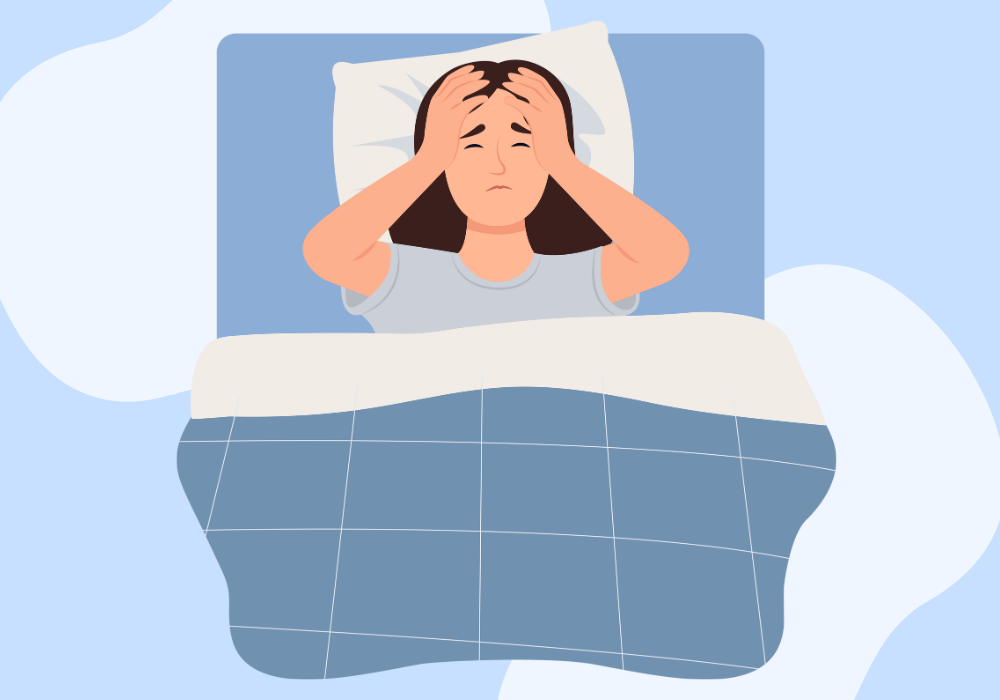
If you consistently find yourself staring at the ceiling in the middle of the night, you’re experiencing one of the most common yet frustrating sleep problems. Research from the University of Pennsylvania School of Medicine reveals that approximately 35% of adults experience nighttime awakenings at least three times per week, with 23% struggling to fall back asleep. Understanding what’s disrupting your sleep could be the first step toward waking up feeling truly rested.
1. The Blood Sugar Roller Coaster
Your nighttime eating habits might be waking you up more effectively than any alarm clock. When you consume high-sugar or refined carbohydrate foods before bed, your body may experience a blood sugar crash several hours later. This triggers the release of stress hormones like cortisol and adrenaline that can jolt you awake. A study in the Journal of Clinical Sleep Medicine found that participants who consumed high-glycemic meals before bed were significantly more likely to experience nighttime awakenings compared to those who ate balanced meals. The solution? Try a small protein-rich snack if you’re hungry before bed, and avoid sweets and simple carbs within three hours of sleeping.
2. The Midnight Stress Response
That 3 AM wake-up call might be your body’s primitive stress response system activating unnecessarily. When your cortisol levels spike at the wrong time, it signals your body to wake up—just as if there were real danger. Research shows that people with high stress levels experience 40% more nighttime awakenings than those with effective stress management techniques. The irony is that worrying about not sleeping creates more stress, trapping you in a cycle of sleeplessness. Developing a wind-down routine with meditation, deep breathing, or journaling can help calm your nervous system before bed.
3. The Silent Disruptor: Sleep Apnea
You might not remember waking up, but if your breathing repeatedly stops and starts throughout the night, your brain is briefly awakening you to resume breathing. The American Sleep Apnea Association reports that approximately 22 million Americans suffer from sleep apnea, with 80% of moderate and severe cases going undiagnosed. These micro-awakenings can occur dozens of times per hour, severely fragmenting your sleep architecture. Common signs include loud snoring, gasping for air during sleep, and persistent daytime fatigue despite adequate time in bed. A sleep study can determine if this is affecting your rest.
4. The Blue Light Effect on Melatonin
Your evening screen time might be tricking your brain into thinking it’s still daytime. The blue light emitted by phones, tablets, and computers suppresses melatonin production—the hormone that regulates your sleep-wake cycle. Research from Harvard Medical School demonstrates that blue light exposure in the evening can shift sleep cycles by up to 3 hours. Even brief checks of your phone during nighttime awakenings can further disrupt your ability to fall back asleep. Creating a technology-free buffer zone for at least one hour before bed can significantly improve sleep continuity.
5. The Aging Sleep Pattern Shift
As we age, our sleep architecture naturally changes, often resulting in lighter, more fragmented sleep. The National Institute on Aging notes that approximately 46% of adults over 65 experience frequent nighttime awakenings. Aging is associated with decreased time in deep sleep stages and a naturally advancing circadian rhythm that makes older adults sleepier earlier in the evening and more likely to wake earlier in the morning. While this shift is natural, excessive awakenings can still be addressed through sleep hygiene improvements, strategic light exposure, and sometimes medical consultation.
Understanding these underlying causes empowers you to take targeted action toward better sleep. Small, consistent changes to your evening routine, diet, and sleep environment can often yield significant improvements in sleep continuity. If your nighttime awakenings persist despite implementing these strategies, consulting with a healthcare provider can help identify any underlying medical conditions that might be affecting your sleep.
Disclaimer: This article provides educational information about common sleep patterns and is based on current sleep research. It is not medical advice and should not replace consultation with a qualified healthcare professional. Individual sleep experiences may vary, and persistent sleep problems should be evaluated by a medical provider to rule out underlying conditions.