Introduction
Misinformation about sciatica is widespread, often leading to ineffective treatments or unnecessary fear. Separating fact from fiction is essential for making informed decisions about your health.
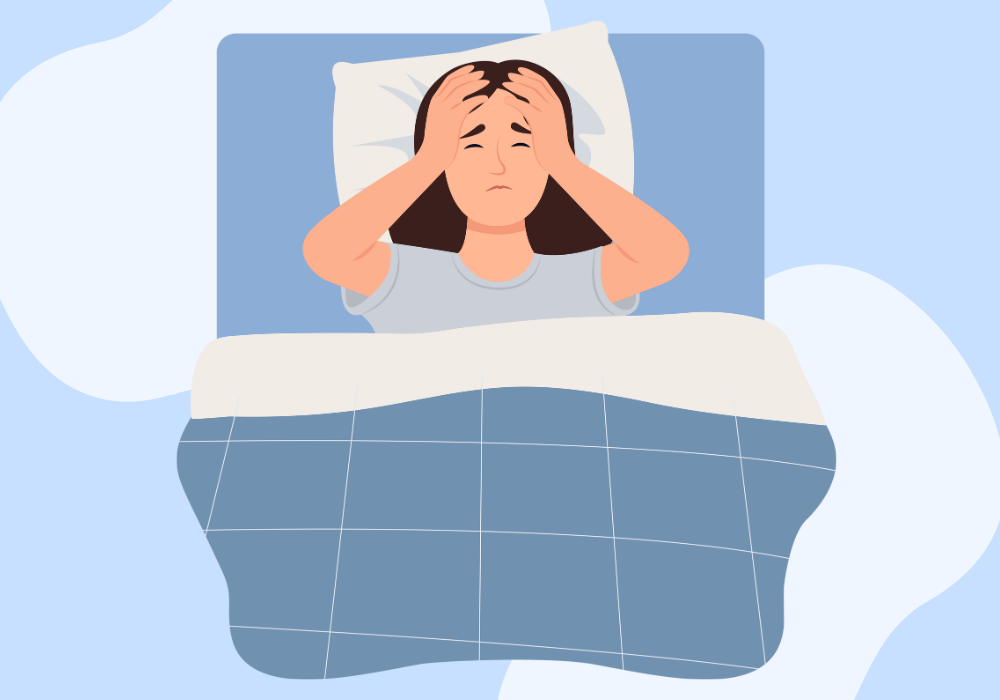
Myth 1: Complete Bed Rest is the Best Cure.
Fact: While short-term rest can help with acute pain, prolonged bed rest (more than a day or two) is actually detrimental. It leads to muscle weakness, joint stiffness, and can slow recovery. Guided, gradual movement and activity are now recommended to promote healing.
Myth 2: Surgery is the Only Real Solution.
Fact: The vast majority of sciatica cases—over 80%—resolve successfully with non-surgical, conservative treatments like physical therapy, medication, and time. Surgery is typically reserved for specific neurological deficits or cases that fail to improve after extensive conservative care.
Myth 3: If You Have Sciatica, You Must Have Back Pain.
Fact: While common, lower back pain is not always present. Some individuals experience pain only in the buttock and leg, along the path of the sciatic nerve. The location of the pain depends entirely on which nerve root is compressed.
Myth 4: All Leg Pain is Sciatica.
Fact: Leg pain can originate from many sources: muscle strains, joint problems, vascular issues, or other nerve compressions. True sciatica is nerve root pain that typically radiates from the back or buttock down below the knee.
Myth 5: Pain Level Equals Damage Level.
Fact: Nerve pain can be wildly disproportionate to the amount of actual physical compression. A small disc bulge can cause excruciating pain due to intense inflammation, while a large herniation might cause only mild symptoms. The intensity of pain is not a reliable indicator of the severity of the underlying condition.
Myth 6: Once You Have Sciatica, You’ll Always Have It.
Fact: Most acute episodes of sciatica resolve within a few weeks to a few months. While some people may be prone to recurrence, especially if risk factors aren’t addressed, it is not necessarily a lifelong condition. Effective management and lifestyle changes can prevent future episodes.
Myth 7: Only Heavy Lifters Get Sciatica.
Fact: While occupations involving heavy lifting are a risk factor, sedentary lifestyles are an equally significant, if not greater, modern-day risk. Prolonged sitting weakens core muscles and puts constant pressure on the discs, making them more susceptible to herniation.
Conclusion
Relying on evidence-based information from healthcare professionals, rather than myths and anecdotes, is the surest path to effective sciatica recovery. Questioning common assumptions empowers you to pursue treatments that are truly proven to work.