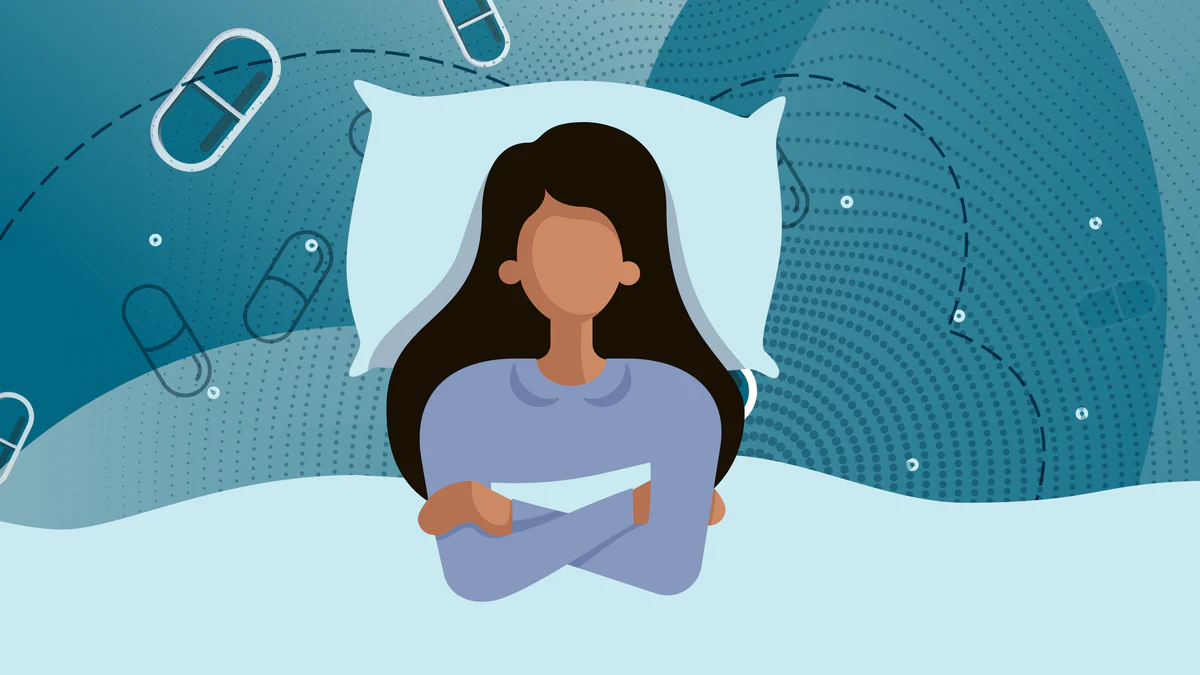
That frustrating experience of feeling increasingly alert as the night progresses affects approximately 30% of adults regularly, according to research from the Sleep Foundation. This phenomenon isn’t just in your imagination—it’s rooted in complex biological processes that can create a self-perpetuating cycle of sleeplessness. Understanding these mechanisms is the first step toward reclaiming restful nights.
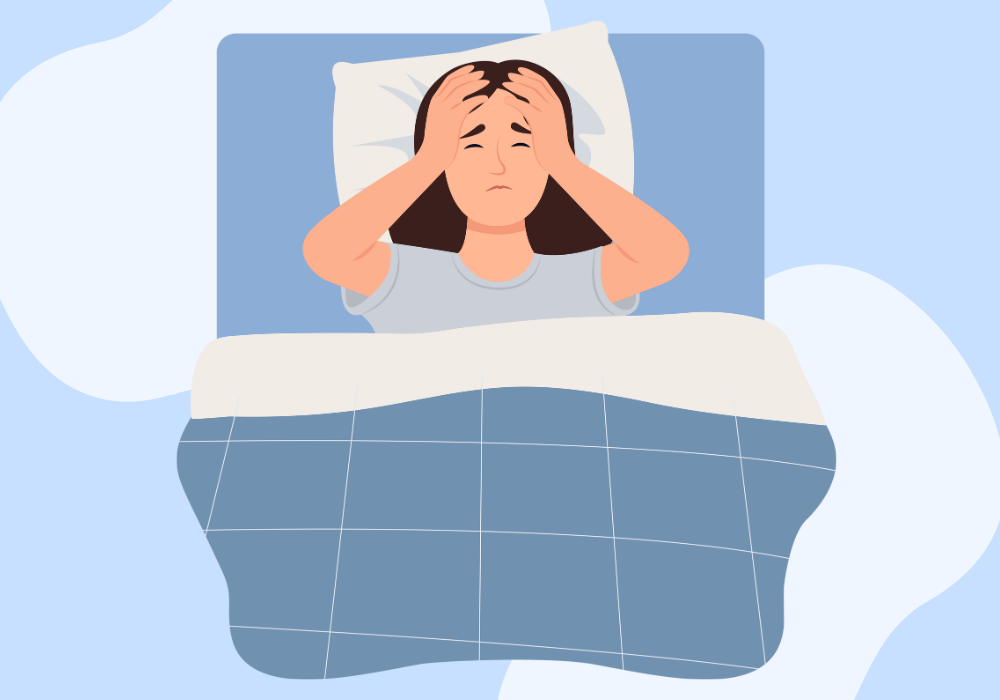
1. The Stress-Activation Mechanism
When you struggle to fall asleep at your intended bedtime, your body often interprets this as a stressful situation. This triggers the release of cortisol and adrenaline—hormones designed to keep you alert in perceived threatening situations. Research from the Journal of Clinical Sleep Medicine shows that cortisol levels can increase by up to 45% in people experiencing sleep-related anxiety. The solution lies in developing pre-sleep rituals that signal safety to your nervous system, such as progressive muscle relaxation or meditation practiced consistently for at least 20 minutes before bed.
2. The Second Wind Phenomenon
Your body’s internal clock doesn’t always align with your desired sleep schedule. The circadian system naturally produces periods of increased alertness in the evening, often between 9-11 PM, which can create a “second wind” that makes you feel surprisingly awake when you should be feeling sleepy. Studies indicate that this alertness surge affects approximately 40% of adults, particularly those with naturally later chronotypes. Gradually adjusting your bedtime earlier by 15-minute increments each night can help realign this rhythm without shocking your system.
3. The Blue Light Dilemma
The screens we commonly use in the evening—phones, tablets, computers—emit blue wavelength light that directly suppresses melatonin production. Harvard Medical School research demonstrates that blue light exposure in the evening can reduce melatonin levels by up to 85%, significantly delaying sleep onset. More concerning, when you check the time on your device during a bout of insomnia, you’re delivering another dose of sleep-disrupting light. Using blue light filters after sunset and establishing a technology-free buffer zone for at least 60 minutes before bed can significantly improve sleep readiness.
4. The Sleep Effort Paradox
The harder you try to sleep, the more elusive it becomes. This “performance anxiety” around sleep activates your sympathetic nervous system, effectively putting you into a state of heightened alertness. Clinical studies show that sleep effort is one of the primary maintaining factors in chronic insomnia. Instead of remaining in bed frustrated, sleep specialists recommend the “15-minute rule”—if you haven’t fallen asleep within 15-20 minutes, get up and engage in a relaxing activity in dim light until you feel sleepy again.
5. The Temperature Regulation Factor
Your body needs to drop its core temperature by approximately 1-2 degrees Fahrenheit to initiate and maintain sleep. When you’re stressed or active late at night, your core temperature remains elevated, signaling wakefulness to your brain. Research published in Sleep Medicine Reviews indicates that taking a warm bath 1-2 hours before bed can actually facilitate this temperature drop—as your body works to cool down afterward, it mimics the natural temperature decline that precedes sleep. Keeping your bedroom between 60-67°F (15-19°C) further supports this process.
6. The Racing Mind Effect
As the day’s distractions fade, unresolved thoughts and worries often surface with greater intensity at night. The brain’s problem-solving machinery kicks into high gear when it’s not occupied with external stimuli. A study from the University of Oxford found that people with insomnia showed 30% more activity in the brain’s “default mode network”—regions associated with self-referential thinking—during sleep attempts. Developing a “brain dump” practice of writing down thoughts and concerns earlier in the evening can help contain this mental chatter.
7. The Delayed Sleep Phase Problem
Consistently late bedtimes can gradually shift your entire circadian rhythm forward, creating a mismatch between your biological night and societal expectations. This condition, known as Delayed Sleep-Wake Phase Disorder, affects approximately 15% of adolescents and adults. The key to resetting this rhythm lies in consistent morning light exposure—just 15-30 minutes of outdoor light within an hour of waking can help shift your rhythm earlier by approximately 15 minutes per day.
Breaking the late-night alertness cycle requires patience and consistency, as these patterns often develop over months or years. Implementing even 2-3 of these strategies consistently for at least 3-4 weeks can produce significant improvements in sleep onset and quality. For persistent sleep difficulties, consulting with a sleep specialist can provide personalized strategies based on your specific situation.
Disclaimer: This article provides educational information about common sleep patterns and is based on current sleep research. It is not medical advice and should not replace consultation with a qualified healthcare professional. Individual sleep experiences may vary, and persistent sleep problems should be evaluated by a medical provider to rule out underlying conditions.