The Modern Eye Struggle
Dry eye syndrome has become increasingly common in our digital age, affecting millions of people worldwide. This condition occurs when tears cannot provide adequate lubrication for the eyes, either because of insufficient tear production or poor tear quality. While often considered a minor inconvenience, persistent dry eyes can significantly impact daily comfort and vision quality.
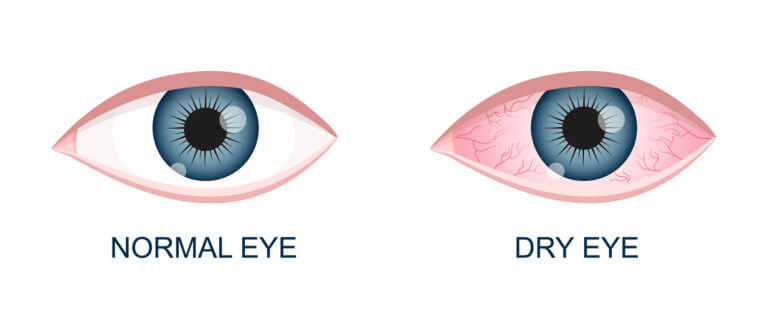
Recognizing the Signs
Common symptoms include:
- A stinging or burning sensation in the eyes
- Stringy mucus in or around the eyes
- Sensitivity to light
- Eye redness
- A sensation of having something in the eyes
- Difficulty wearing contact lenses
- Blurred vision that may fluctuate
- Watery eyes as the body responds to irritation
Common Contributing Factors
Multiple elements can influence dry eye development:
- Extended screen time reducing blink rates
- Environmental conditions (dry air, wind, smoke)
- Aging naturally reduces tear production
- Certain medications (antihistamines, decongestants)
- Medical conditions (autoimmune diseases, diabetes)
- Contact lens wear
- Previous eye surgery
How to prevent and relieve dry eyes?
Practical approaches for management and prevention include:
Environmental Adjustments
- Use a humidifier to add moisture to dry indoor air
- Avoid direct exposure to blowing air (fans, air conditioning)
- Wear wraparound sunglasses outdoors to protect from wind
- Position computer screens below eye level to reduce surface exposure
Lifestyle Modifications
- Practice the 20-20-20 rule: every 20 minutes, look at something 20 feet away for 20 seconds
- Consciously blink more frequently, especially during screen use
- Stay hydrated by drinking adequate water throughout the day
- Include omega-3 fatty acids in your diet through fish or supplements
Eye Care Practices
- Use over-the-counter artificial tears or lubricating eye drops
- Apply warm compresses to help release oil in eyelid glands
- Clean eyelids gently to reduce inflammation
- Follow contact lens wear and replacement guidelines
Professional Care Options
- Consult an eye care specialist for persistent symptoms
- Discuss prescription medications if over-the-counter options aren’t effective
- Consider specialized procedures for severe cases
- Receive treatment for underlying conditions contributing to dry eyes
When to Seek Professional Help
Consult an eye care specialist if you experience:
- Persistent eye discomfort despite self-care measures
- Significant vision changes or sensitivity to light
- Severe redness or pain in the eyes
- Symptoms that interfere with daily activities
Long-Term Management Perspective
Dry eye management typically requires ongoing attention rather than a one-time solution. Most people benefit from combining multiple approaches tailored to their specific situation. Regular eye examinations help monitor eye health and adjust management strategies as needed.
Dry eye syndrome represents a common but manageable condition. While various prevention and relief strategies exist, individual responses may vary. Professional guidance from qualified eye care specialists ensures appropriate diagnosis and treatment planning. Remember that consistent self-care practices combined with professional advice offer the best approach to managing dry eye symptoms effectively.