1. Introduction to HPV Vaccination
The human papillomavirus (HPV) vaccine is a preventive measure designed to protect against infections caused by specific strains of HPV. According to the World Health Organization, HPV vaccination represents a critical public health strategy for reducing HPV-related cancers worldwide. Vaccines are typically administered in two or three doses depending on the recipient’s age at initial vaccination.
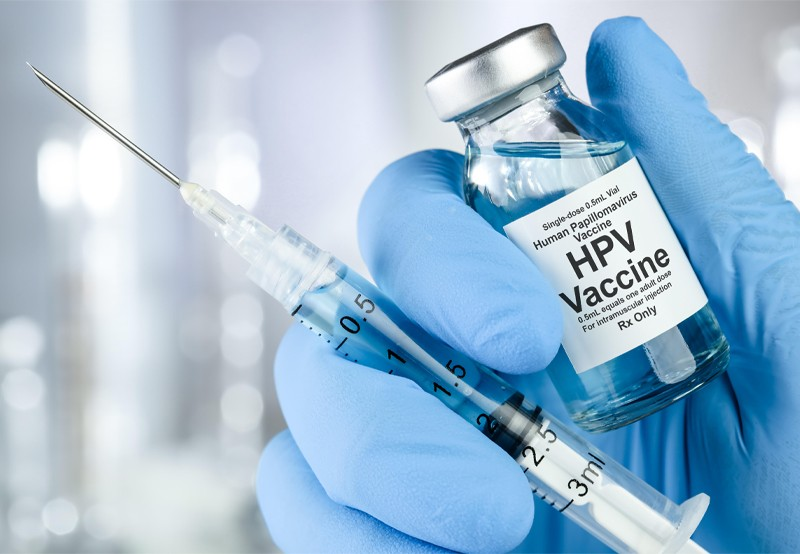
2. Vaccine Effectiveness and Coverage
Current HPV vaccines target the highest-risk HPV types, including types 16 and 18, which are responsible for approximately 70% of cervical cancer cases. The Centers for Disease Control and Prevention reports that HPV vaccination has been shown to provide close to 100% protection against persistent infection and disease caused by the HPV types included in the vaccine.
3. Limitations in Cancer Protection
While HPV vaccines significantly reduce cervical cancer risk, they do not provide complete protection against all cancer-causing HPV types. The vaccines target the most common high-risk strains, but approximately 30% of cervical cancers are caused by HPV types not included in current vaccines. This means vaccinated individuals still require regular cervical cancer screening.
4. Importance of Continued Screening
The American Cancer Society recommends that vaccinated individuals continue following standard cervical cancer screening guidelines. Regular Pap tests and/or HPV testing remain essential because the vaccine does not protect against all oncogenic HPV types. Screening intervals are typically every 3-5 years for individuals aged 25-65, depending on the screening method and personal health history.
5. Vaccine Timing and Efficacy
Vaccination provides maximum benefit when administered before exposure to HPV through sexual activity. The CDC recommends routine vaccination at age 11-12, though vaccination can be started as early as age 9. Vaccination through age 26 is recommended for those not adequately vaccinated earlier, with shared clinical decision-making for some adults aged 27-45.
6. Duration of Protection
Research published in leading medical journals indicates that HPV vaccine protection remains effective for at least 10-12 years following vaccination. Ongoing studies continue to monitor the duration of protection, with current data suggesting long-term effectiveness. The need for booster doses has not been established.
7. Safety Profile and Monitoring
HPV vaccines undergo continuous safety monitoring through systems like the Vaccine Adverse Event Reporting System. The FDA and CDC have consistently found HPV vaccines to be safe, with most side effects being mild and temporary, such as pain at the injection site, fever, or headache. Serious adverse events are rare.
8. Global Impact and Recommendations
The World Health Organization recommends HPV vaccination as part of comprehensive cervical cancer control strategies. Numerous countries have implemented national vaccination programs, resulting in documented reductions in HPV infection rates, genital warts, and precancerous cervical lesions in vaccinated populations.
9. Addressing Common Questions
Individuals considering HPV vaccination should consult healthcare providers for personalized medical advice. Healthcare professionals can provide information about vaccine benefits, limitations, and appropriate screening recommendations based on individual health status and risk factors.
10. Comprehensive Prevention Approach
Optimal cervical cancer prevention involves combining vaccination with regular screening and appropriate follow-up care. This layered approach provides the best protection against cervical cancer, addressing both vaccine-covered and non-covered HPV types through different prevention strategies.
11. Research and Future Developments
Ongoing research continues to improve HPV vaccines, with new formulations in development that target additional HPV types. Pharmaceutical companies and research institutions are working to develop vaccines that provide broader protection against more cancer-causing HPV variants.
12. Conclusion
HPV vaccination significantly reduces but does not eliminate cervical cancer risk. Vaccinated individuals should maintain regular cervical cancer screening as recommended by healthcare providers. Current evidence supports HPV vaccination as a safe and effective component of comprehensive cancer prevention when combined with appropriate screening practices.