Introduction
Alzheimer’s disease (AD) is a progressive neurodegenerative disorder and the most common cause of dementia. Early and accurate testing is crucial for proper management and treatment planning. This article examines current diagnostic approaches, emerging testing technologies, and what to expect during the evaluation process.
Early Warning Signs
Before testing begins, these symptoms may indicate need for evaluation:
- Persistent memory loss disrupting daily life
- Difficulty with problem-solving and planning
- Challenges completing familiar tasks
- Confusion with time or place
- New problems with words in speaking/writing
- Misplacing items and inability to retrace steps
- Decreased/poor judgment
- Social withdrawal
- Mood/personality changes
Standard Diagnostic Tests
1. Cognitive Assessments
- Mini-Mental State Exam (MMSE): 30-point questionnaire
- Montreal Cognitive Assessment (MoCA): More sensitive than MMSE
- Clinical Dementia Rating (CDR): Stages dementia severity
- Neuropsychological Testing: Comprehensive 3-4 hour evaluation
2. Medical Evaluation
- Complete medical history and physical exam
- Blood tests (rule out vitamin deficiencies, thyroid issues)
- Neurological examination
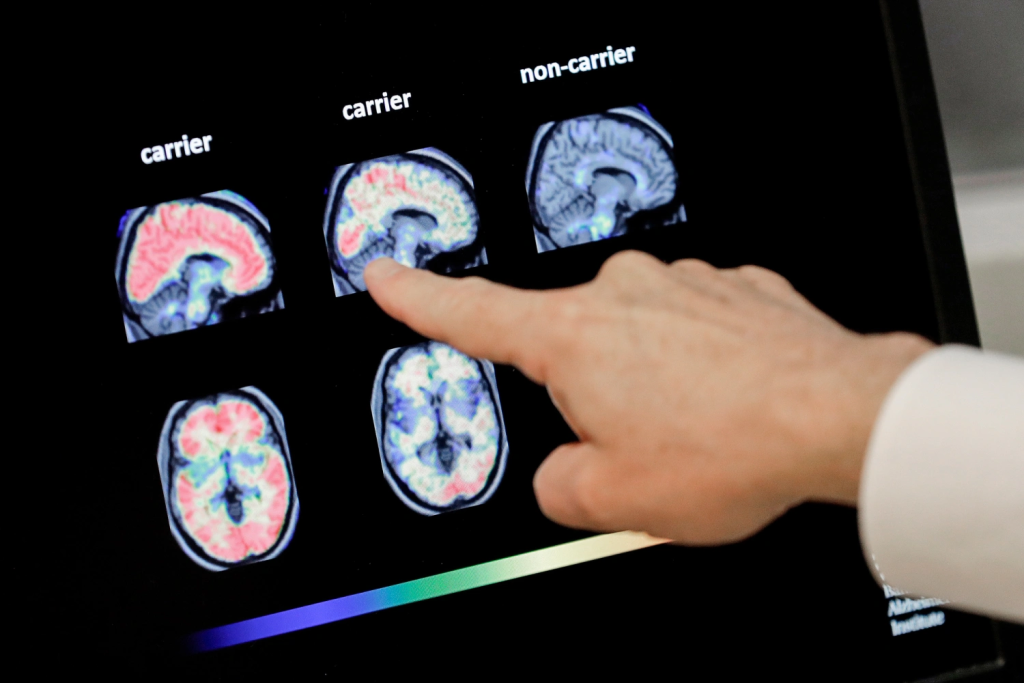
3. Brain Imaging
- MRI: Detects brain shrinkage patterns
- PET Scans:
- FDG-PET (measures brain metabolism)
- Amyloid PET (detects amyloid plaques)
- Tau PET (experimental, detects tau tangles)
- CT Scan: Rules out other conditions
Emerging Testing Technologies
1. Biomarker Tests
- CSF Analysis: Measures amyloid and tau proteins in spinal fluid
- Blood Tests:
- p-tau217 (shows promise for early detection)
- GFAP (glial fibrillary acidic protein)
- NfL (neurofilament light chain)
2. Digital Cognitive Tools
- Computerized cognitive assessments
- Smartphone apps tracking cognitive changes
- Voice pattern analysis algorithms
3. Eye Tests
- Retinal scans detecting amyloid deposits
- Pupillary response measurements
Genetic Testing
- APOE-e4 testing: Identifies genetic risk factor
- PSEN1/PSEN2/APP testing: For early-onset familial AD
- Direct-to-consumer genetic tests: Limited clinical utility
The Diagnostic Process
- Initial screening with primary care physician
- Referral to neurologist or memory specialist
- Comprehensive cognitive testing
- Medical workup to rule out other causes
- Possible biomarker testing or imaging
- Follow-up evaluations to monitor progression
Challenges in Testing
- No single definitive test exists
- Early stages are difficult to diagnose
- Many tests are expensive/not widely available
- Stigma may prevent early evaluation
Importance of Early Detection
- Allows for earlier treatment intervention
- Provides time for legal/financial planning
- Enables participation in clinical trials
- Helps families prepare for care needs
Future Directions
- Development of simpler, more accurate blood tests
- Advanced imaging techniques
- Artificial intelligence-assisted diagnostics
- Retinal scanning technology improvements
Conclusion
While Alzheimer’s testing continues to evolve, current methods can provide accurate diagnoses, especially when combining cognitive assessments with biomarker testing and imaging. Early evaluation at the first signs of cognitive changes allows for optimal management of this challenging condition. Researchers are working toward more accessible and definitive diagnostic tools that may revolutionize AD detection in coming years.