Introduction: Keeping Cities Clean and Functional
While often overlooked, garbage haulers (also called waste collectors or sanitation workers) perform one of society’s most essential services. These hardworking professionals ensure our communities remain clean, healthy, and environmentally sustainable by systematically removing tons of waste daily.
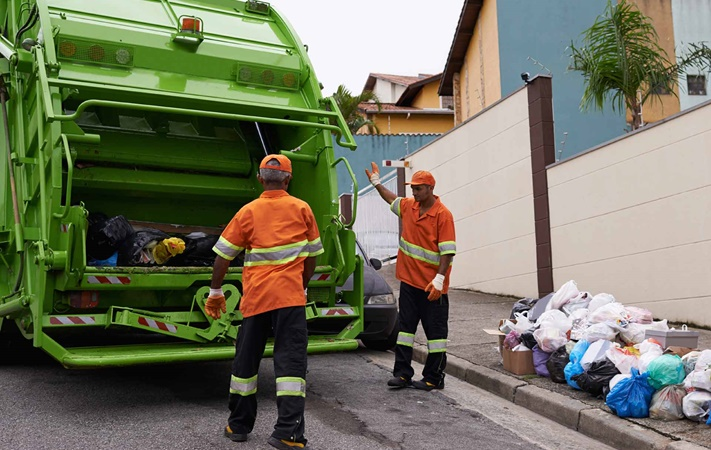
This article examines:
✔ Different types of garbage haulers and their roles
✔ The technology and logistics behind waste collection
✔ Career opportunities in waste management
✔ Environmental impacts and industry innovations
Types of Garbage Haulers
1. Residential Waste Collectors
- Service homes with weekly curbside pickup
- Operate rear-loading or automated side-loading trucks
- Typically work for municipal services or private contractors
2. Commercial Waste Haulers
- Handle dumpsters and compactors for businesses
- Use front-loading trucks with hydraulic lift systems
- Often employed by private waste management companies
3. Roll-Off Truck Operators
- Transport large construction/renovation waste containers
- Operate specialized trucks with tilt-and-load mechanisms
- Frequently work with demolition crews and contractors
4. Hazardous Waste Specialists
- Handle medical, chemical, or industrial waste
- Require additional certifications and safety training
- Use specially marked containment vehicles
The Technology Behind Modern Waste Collection
Today’s garbage trucks incorporate impressive engineering:
- Automated Arms (reduce manual labor needs)
- Onboard Compactors (increase hauling capacity)
- Route Optimization Software (save fuel and time)
- CNG/LNG Power (cleaner alternative to diesel)
- Camera Systems (improve safety and efficiency)
Career Opportunities in Waste Collection
Entry-Level Positions:
- Helper/Laborer ($30,000-$40,000 annually)
- Driver (CDL required, $40,000-$60,000)
Advanced Roles:
- Route Supervisor ($50,000-$75,000)
- Safety Compliance Officer ($60,000-$85,000)
- Operations Manager ($70,000-$100,000+)
Benefits often include:
- Strong union representation in many markets
- Government pension plans (for municipal workers)
- Health insurance and paid time off
Environmental Challenges & Innovations
The industry faces growing pressure to:
- Increase recycling rates (currently ~32% in U.S.)
- Reduce landfill dependence
- Lower carbon emissions from fleets
Emerging Solutions:
- Electric garbage trucks (like Mack LR Electric)
- AI-assisted waste sorting systems
- Advanced methane capture at landfills
- Expanded composting programs
Why Sanitation Workers Matter More Than Ever
Garbage haulers proved absolutely essential during COVID-19, maintaining public health when other services shut down. Their work:
- Prevents disease spread
- Enables recycling economies
- Keeps urban areas livable
- Supports construction industries
Conclusion: Respecting the Profession
Next time you hear the garbage truck in your neighborhood, remember these workers endure:
- Extreme weather conditions
- Physical demands (lifting 50+ lbs repeatedly)
- Safety risks (traffic accidents are a leading cause of fatalities)
The industry continues to evolve with automation and sustainability initiatives, but will always require dedicated professionals to keep our communities clean.
Have you ever worked in waste management? Share your experiences below!