1. What Is Athlete’s Foot?
Athlete’s foot (tinea pedis) is a fungal infection that thrives in warm, moist environments, causing itching, peeling, and sometimes painful cracks on the feet. It affects 15-25% of people globally, especially in humid climates or among athletes, military personnel, and those who wear tight shoes for long hours.
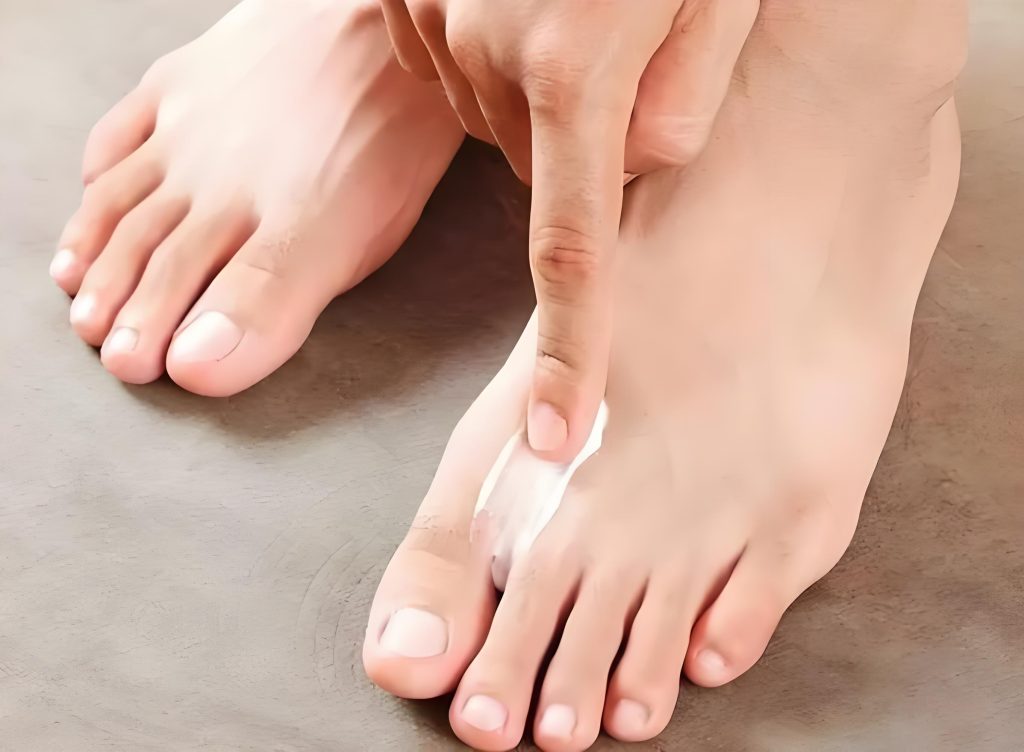
Common Symptoms:
- Itching, burning, or stinging
- Flaky or peeling skin
- Blisters (vesicular type)
- Thickened, scaly skin (moccasin type)
- White, soggy skin between toes (interdigital type)
2. How to Prevent Athlete’s Foot
Daily Foot Hygiene:
✔ Wash feet daily with soap, drying thoroughly (especially between toes).
✔ Wear moisture-wicking socks (cotton or synthetic blends).
✔ Choose breathable shoes and alternate pairs to avoid moisture buildup.
✔ Use antifungal powder if prone to sweating.
Public Spaces & Shared Areas:
🚫 Never walk barefoot in pools, gyms, or showers—wear flip-flops.
🚫 Avoid sharing towels, socks, or shoes to prevent fungal spread.
3. Effective Treatment Options
Mild Cases (OTC Solutions):
- Antifungal creams/sprays (clotrimazole, miconazole, terbinafine)
→ Apply for 2-4 weeks, continuing 1-2 weeks after symptoms disappear. - Natural remedies (optional): Tea tree oil, vinegar soaks, or herbal solutions (Sophora flavescens).
Severe or Recurring Infections:
- Oral antifungals (terbinafine, itraconazole) – prescription required.
- See a doctor if:
- Symptoms worsen or spread.
- You have diabetes or a weakened immune system.
4. Special Considerations
High-Risk Groups:
- Diabetics: Higher risk of complications → Seek early treatment.
- Immunocompromised individuals (HIV, chemotherapy): Monitor feet closely.
- Athletes & military: Use preventive antifungal powder.
- Children: Rare but possible; use pediatric-safe treatments.
5. Keeping Athlete’s Foot Away for Good
✅ Stick to prevention habits even after healing.
✅ Check feet regularly for early signs of recurrence.
✅ Replace old shoes/socks if fungus persists.
Remember: Fungal infections can linger—complete the full treatment to avoid relapse. If symptoms persist, consult a healthcare professional.