Circumcision is a common surgical procedure for men, and “pain-free” techniques have made it more comfortable. However, many patients still have concerns about the surgical details, pain management, and recovery process. This guide provides a comprehensive overview of pain-free circumcision, helping patients prepare properly, reduce anxiety, and recover smoothly.
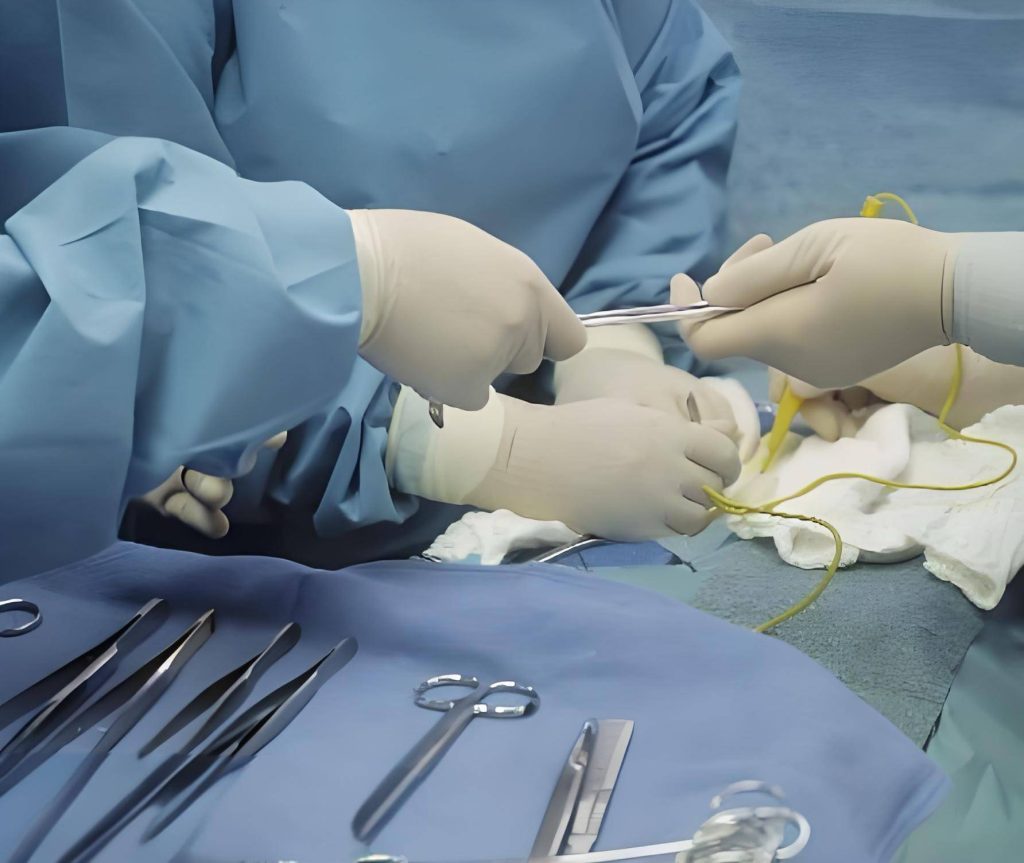
1. Preoperative Preparation: How to Ensure a Safe and Painless Surgery?
1. Choosing the Right Surgical Method
Common pain-free circumcision techniques include:
- Traditional Surgery (Scalpel Method) + Local Anesthesia
- Laser/Electrosurgical Circumcision (Less bleeding, faster recovery)
- Stapler/Ring Circumcision (e.g., Shang Ring, Disposable Stapler) (Minimal trauma, quick procedure)
Recommendation: Consult your doctor to choose the best method for your situation.
2. Preoperative Tests
- Blood test & coagulation screening (to prevent bleeding risks)
- Infectious disease screening (e.g., hepatitis B, HIV)
- Local examination (to rule out infections like balanitis)
3. Preoperative Instructions
- Fasting (if under general anesthesia) – 6-8 hours before surgery (not required for local anesthesia).
- Shave pubic hair (reduces infection risk).
- Wear loose clothing (to minimize friction post-surgery).
- Avoid blood thinners (e.g., aspirin; consult your doctor beforehand).
2. The Surgery: Is It Really Painless?
1. Anesthesia Options
- Local Anesthesia (Most Common): Injection (e.g., lidocaine) at the penis base or foreskin. A brief sting occurs, then the area becomes numb—no pain during surgery.
- Topical Anesthesia (Cream/Spray): For needle-phobic patients, though less effective than injections.
- General Anesthesia (For Children/Extremely Anxious Patients): No awareness during surgery; mild discomfort upon waking.
2. Procedure Duration
- Typically 15-30 minutes (varies by method).
- Laser/Stapler methods are faster (~10-15 minutes).
3. What to Expect During Surgery
- Awake but pain-free (under local anesthesia); you may feel movement but no pain.
- If anxious, inform your doctor—some clinics offer sedatives for relaxation.
3. Postoperative Care: How to Minimize Pain and Speed Up Recovery?
1. Immediately After Surgery
- Anesthesia wears off in 2-4 hours: Mild throbbing or burning may occur; take prescribed painkillers (e.g., ibuprofen).
- Avoid strenuous activity; rest as much as possible.
- Ice packs (first 24 hours): Apply wrapped in a clean cloth for 10 minutes to reduce swelling.
2. Wound Care (Critical!)
- Keep dry and clean: Clean daily with saline or doctor-recommended antiseptic.
- Avoid erections: Nighttime erections may cause pain; sleep on your side or take short-term estrogen (if prescribed).
- Avoid water exposure: No bathing for 3 days; use a damp towel for hygiene.
3. Recovery Timeline
- Days 3-5: Pain subsides; normal walking resumes.
- Days 7-10: Stitches/ring fall off (if non-absorbable).
- Weeks 2-4: Full healing; sexual activity may resume (follow doctor’s advice).
4. Warning Signs (Seek Medical Help If)
- Heavy bleeding or pus (infection signs).
- Severe persistent pain (possible nerve damage or hematoma).
- Wound reopening or delayed healing.
4. Frequently Asked Questions (FAQ)
Q1: When can I return to work/school?
- Sedentary jobs/school: 1-2 days.
- Physically demanding work: Rest 3-5 days.
Q2: When can I shower?
- After 3 days (brief showers only; avoid soaking). Dry and disinfect afterward.
Q3: Will erections damage the wound?
- Usually not, but they may hurt. Drink cold water, urinate, or adjust sleeping position to reduce erections.
Q4: Does stitch removal hurt?
- Absorbable stitches dissolve naturally. Non-absorbable ones cause slight discomfort during removal.
5. Key Takeaways for a Pain-Free Circumcision
✅ Painless during surgery (thanks to anesthesia, but some discomfort afterward).
✅ Choose the right method (stapler, laser, or traditional—each has pros and cons).
✅ Post-op care is crucial (keep clean, avoid erections, take meds as directed).
✅ Seek help for complications (infection, bleeding, or severe pain).
With proper preparation, cooperation during surgery, and careful aftercare, you can minimize pain and recover smoothly!